Faith & Barakah | 12 Sept 2026
Umrah and the Art of Arriving
On travelling for worship rather than leisure, and what it means to arrive somewhere with your whole attention.
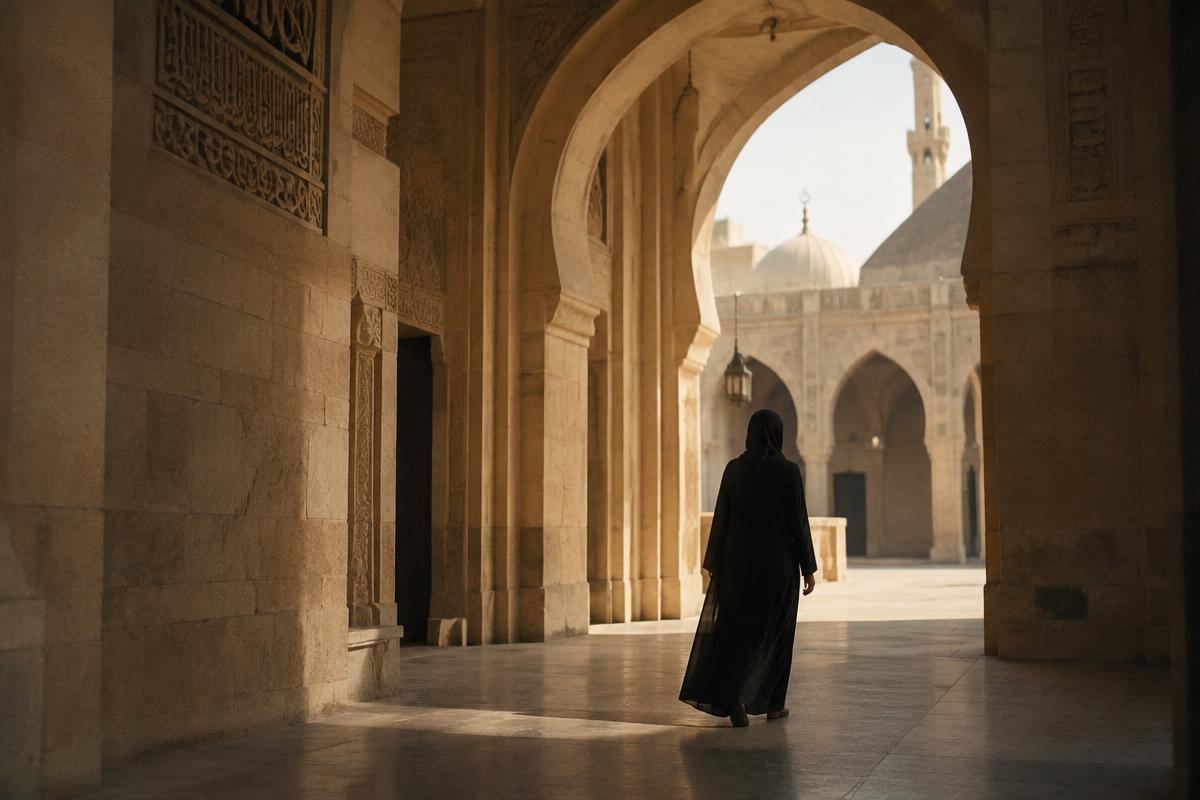
I have travelled a great deal for work. Umrah was different. There was no meeting to prepare for, no commercial outcome to pursue, no familiar measure of whether the journey had been productive. I was travelling for worship. That change of purpose asks something of the mind before it asks anything of an itinerary.
In working life, attention is often divided between the thing happening now and the next thing that needs a response. A journey can be planned so thoroughly that even arrival becomes another task completed. What interests me about Umrah is the invitation to arrive more fully: not only to reach Makkah, but to be present to why I have come.
Preparation is not the same as control
Practical preparation matters. Travel arrangements, health, appropriate guidance on the rites and the needs of companions deserve care. Worship is not made more sincere by ignoring the responsibilities around it. But preparation has a limit. It cannot ensure that every moment feels peaceful or that the experience follows the emotional sequence imagined beforehand.
I think it is useful to recognise that distinction. We can do what is reasonably ours to do without treating the journey as something to manage into a perfect result. Crowds, fatigue and ordinary human discomfort do not mean the purpose has been lost. Sometimes presence begins with accepting the day as it is rather than the day we hoped to design.
Set the titles down
The work of building a business gives a person many labels: founder, director, employer, problem-solver. Those roles have responsibilities attached to them, and I do not want to pretend they are unimportant. But they are not the whole person. Worship places them in a different order.
In Makkah, the direction is shared even though the lives that have brought people there are different. The distinction is not that everyone's circumstances disappear. It is that professional standing is not the purpose of being there. I do not need to turn the journey into evidence of achievement. There is something deeply settling about a responsibility that begins with sincerity rather than presentation.
You do not arrive in Makkah as an investor or an entrepreneur. You arrive as a servant, and that is enough.
Attention without performance
There is a temptation to expect a significant journey to produce significant feelings at every turn. That expectation can become another pressure: am I moved enough, focused enough, changed enough? I would rather leave room for the quieter moments, including the ones that cannot be neatly explained afterwards.
The same is true of documenting the experience. A photograph can hold a precious memory, but not every moment needs to become something for an audience. Presence and sharing are not enemies; they simply need an order. I want the meaning of a journey to be allowed to exist before deciding how it might be described.
Let the ordinary return too
Coming home brings the practical world back into view. Messages need answers. Work continues. The contrast can make it tempting to believe that the calm belonged only to the place and has no relationship to ordinary life. I do not think the answer is to expect daily life to feel like being away. It is to ask which priorities the journey has made easier to recognise.
Perhaps the useful question is not whether I can preserve a particular feeling, but whether I can give better attention to the responsibilities already here. Can work be done sincerely without occupying every corner of the mind? Can prayer have its place without always being fitted around something described as more urgent? These are questions to return to, not achievements to announce.
A journey is not a formula
I came home with fewer answers than I expected and more gratitude. I do not want to make that into a promise about what Umrah should do for someone else. People's circumstances, health and experiences differ, and a journey of worship is not a guaranteed solution to every difficulty carried into it.
For me, its meaning rests in a simpler reminder: ambition is part of life, not the whole of it. There are journeys whose value cannot be measured by what they produce for work. Arriving with that understanding, even imperfectly, changes what I ask of the time I have been given.
Written by
Bella Khaja
Investor, entrepreneur and builder based in Singapore. Writing about property, business, projects and faith.