Faith & Barakah | 29 Sept 2026
Field Notes: Madinah
More Than an Asset: Building a Sanctuary in Madinah
There are cities you analyse, and there is Madinah. On the longing every Muslim carries for the Prophet's City ﷺ — and why the numbers still have to follow the intention.
There are cities you analyse, and there is Madinah.
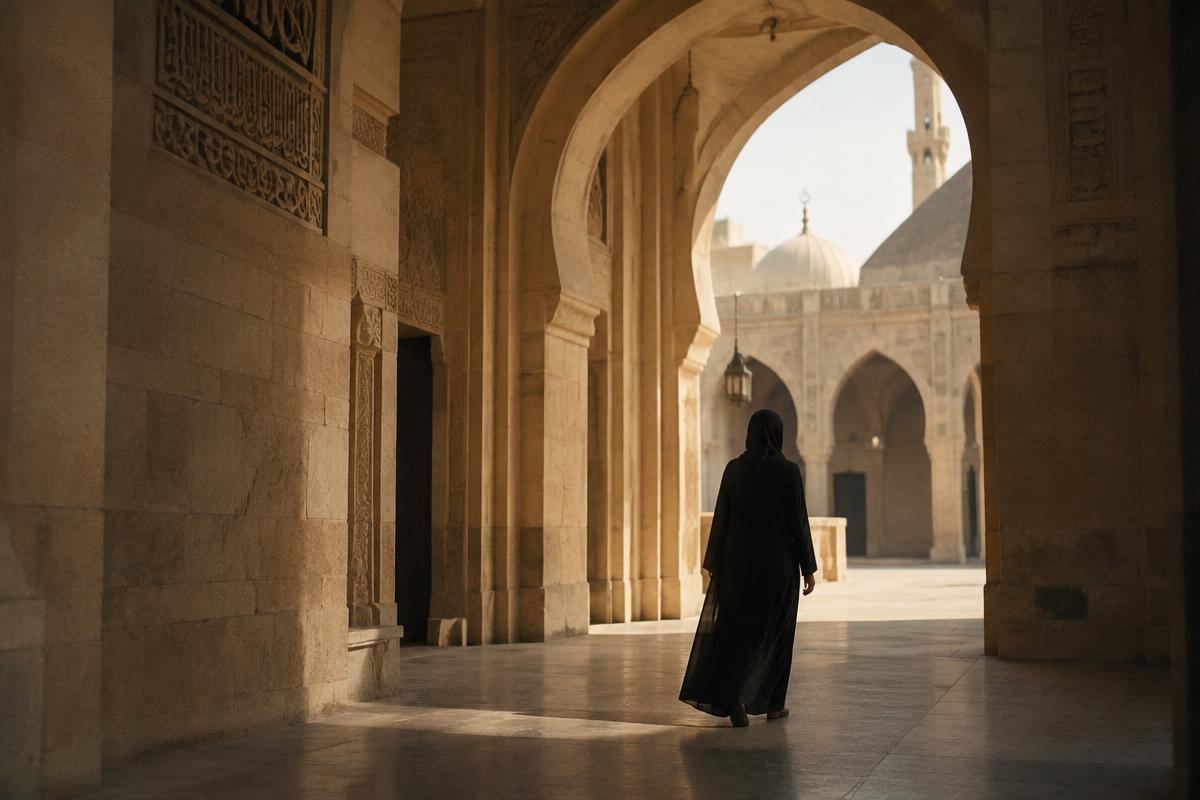
Every Muslim carries this city in their heart long before they ever walk its streets. It is the city that welcomed our Prophet Muhammad ﷺ when he had nowhere else to go. It is where he lived, where he taught, where he is buried. When you stand in Madinah, you are standing where he stood. The air itself feels different — softer, calmer, as if the city is still holding the peace he brought to it.
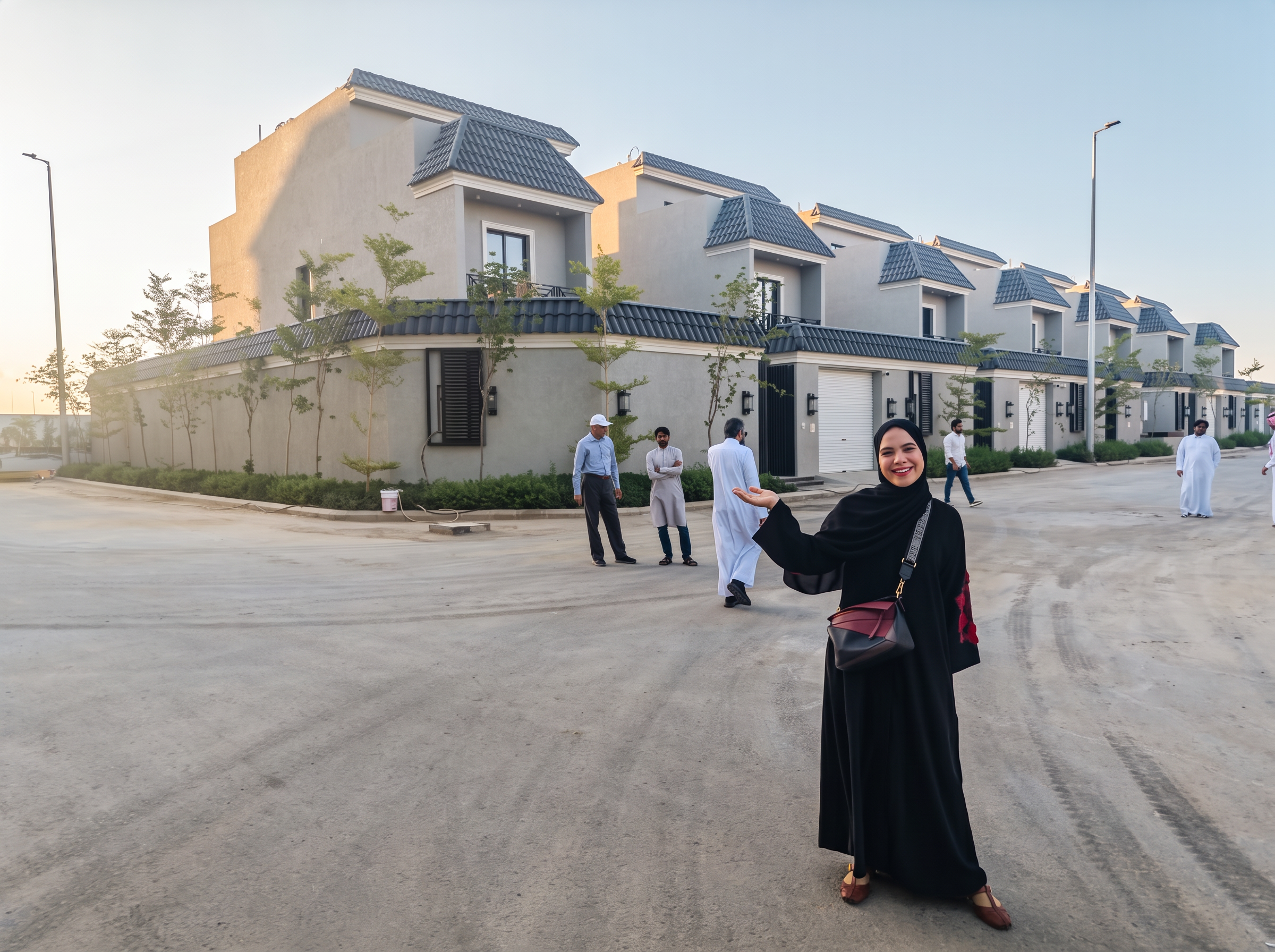
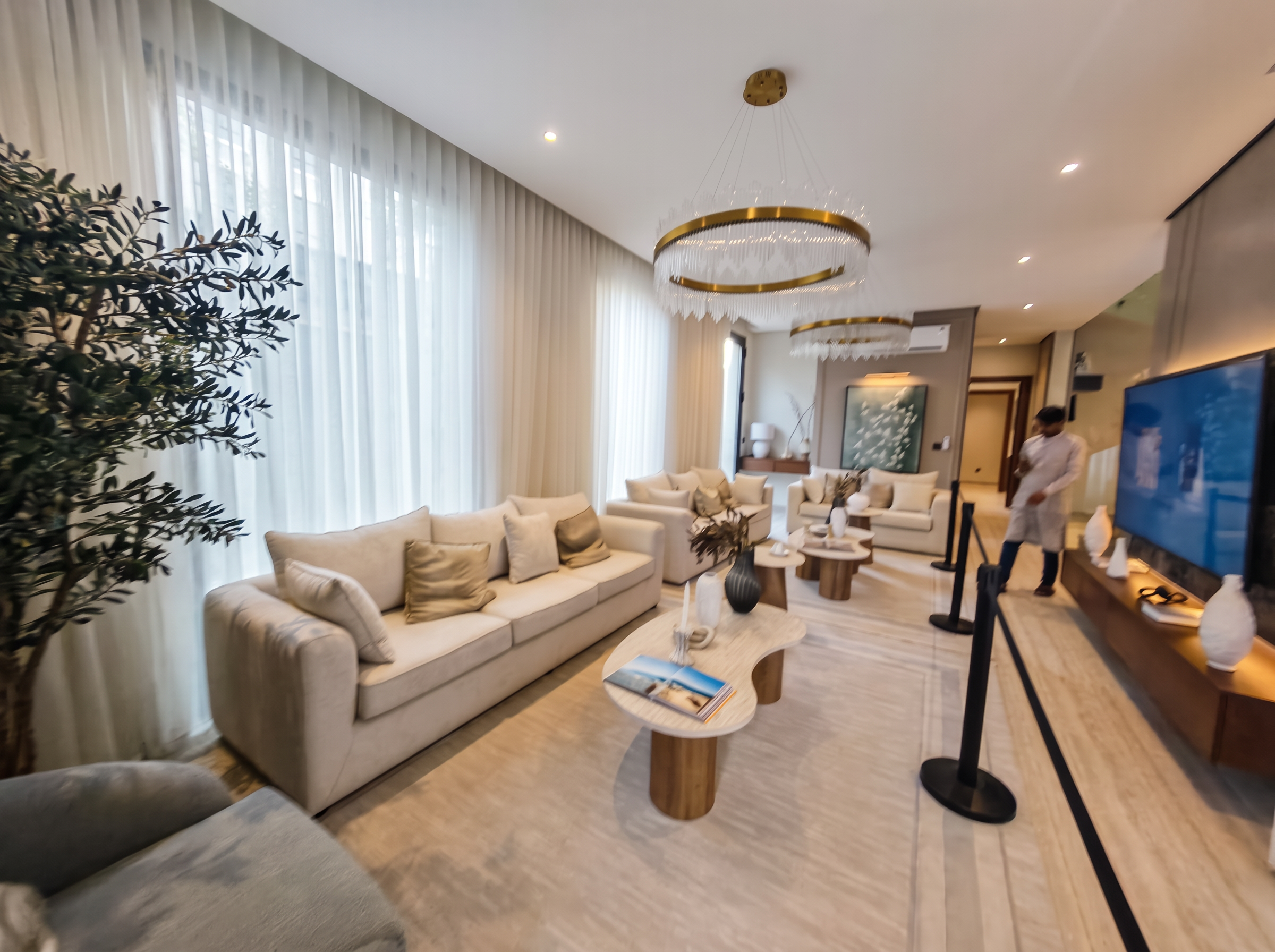
So when I stepped into a show unit there, something happened that has never happened to me in any other property viewing. Before I had finished looking at the floor plan, my eyes were wet.
I have walked through show units in Singapore, Dubai and elsewhere. My mind always does the same thing: it runs numbers. Price per square foot, service charges, rental yield, exit options. That is the job. That is what an investor does.
But in Madinah, the numbers came second. What came first was a thought I could not push away: my family could pray Fajr in the Prophet's Mosque. We could walk there. This could be our street, our door, our key.
The pull that no spreadsheet captures
It is hard to explain to someone who has not felt it. Madinah is not a market to us. It is a longing.
Every Muslim who has visited knows the feeling of leaving — the heaviness in the chest at the airport, the quiet promise to return. People save for years just to stand in that mosque again. They hang pictures of the green dome in their homes. They teach their children to love a city they may only visit a handful of times in their lives.
So the idea of owning a home there is not really a property decision. It is the answer to a prayer many of us have made without ever saying it out loud: Ya Allah, let me come back. Let me come back often. Let this be part of my life, not just a memory.
That is what I felt in that show unit. Not an opportunity. A homecoming.
And still, the questions must be asked
Here is the tension I had to sit with: the heart moves first in Madinah, and developers know it.
So I asked the practical questions anyway. What was the price? What were the service charges? How would the property be managed? The unit was described as roughly twelve minutes from Masjid an-Nabawi — I would want to walk that journey myself, since the real time depends on the route, the transport and the hour of the day.
Because here is the truth: loving a city does not protect you from a bad decision in it. If anything, the emotion makes the discipline more necessary. The worst outcomes in property happen when feeling replaces verification — and nowhere is feeling stronger than in Madinah.
What the market signals can — and cannot — tell us
The demand is real. The Pilgrim Experience Program records 13,309,051 visitors to the Prophet's Mosque in 2024. Behind that number are millions of people who, like me, do not want to leave.
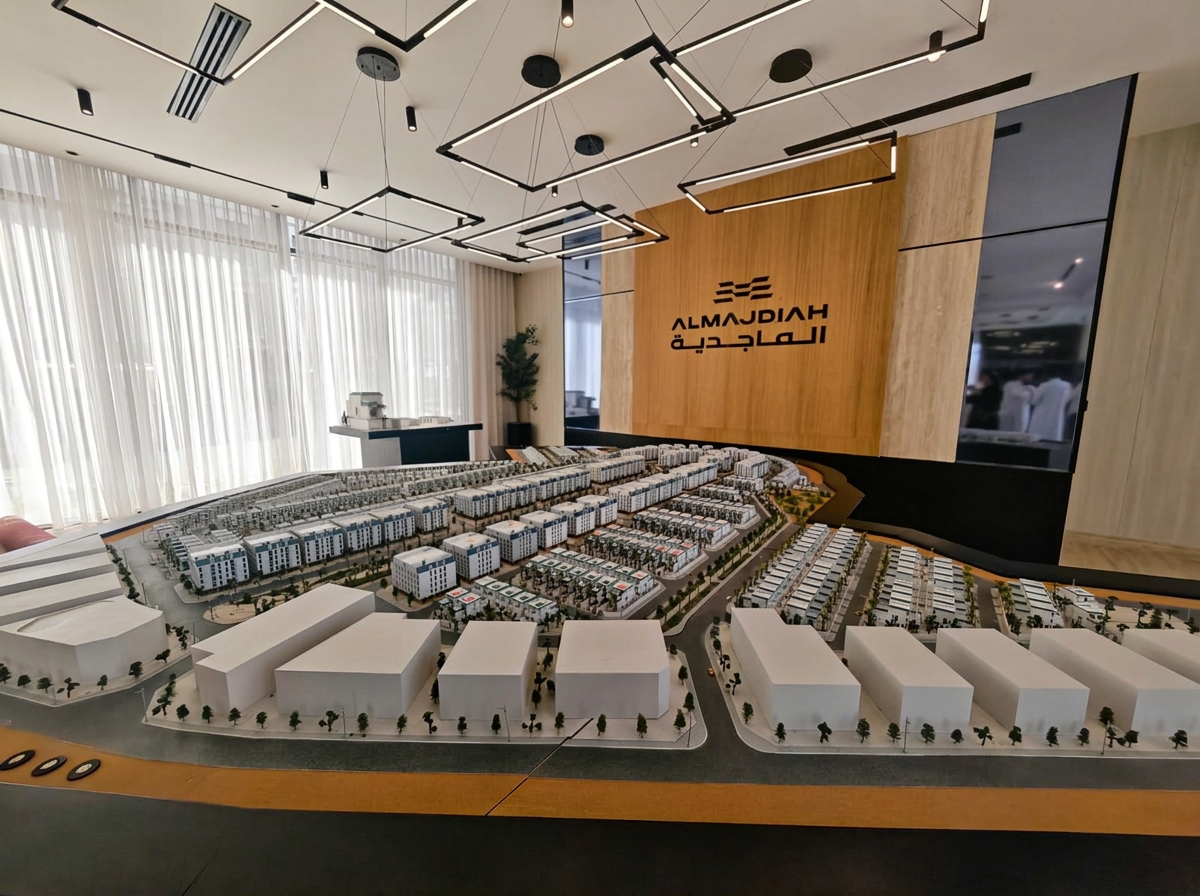
There are project-level signals too. Saudi Gazette reported that Dar AlMajed Real Estate announced a sell-out of Phase 1 of its Meshraf Almajdiah development: 304 residential units, with reported sales of SAR 231,466,000, all acquired by non-Saudi investors.
Useful context — but these figures answer different questions. The visitor count shows the scale of love for this city. The Meshraf announcement shows that one phase of one development sold out. Neither tells me what rent a particular unit could command, what occupancy looks like outside peak seasons, or what return owners will ultimately see.
For that, I would still want evidence: comparable rents, seasonal occupancy, operating costs, management arrangements, and any restrictions on letting. Strong sales in one development signal appetite for that project. They do not establish the performance of every property in Madinah.
Stewardship means asking difficult questions
For an overseas buyer, the legal questions demand careful attention. Saudi Arabia's non-Saudi property ownership system took effect on 22 January 2026, providing for ownership within designated geographic areas, and limiting non-Saudi individuals' ownership rights in Makkah and Madinah to Muslims. Eligibility and permitted rights depend on the applicable rules and the specific property, so I would verify everything through official channels and independent Saudi legal advice before proceeding.
Beyond that: title, the developer's track record, completion arrangements, service charges, maintenance, resale options. If I intended to rent the property out, I would check the rules and costs, then model the numbers conservatively.
Good intentions cannot rescue a weak financial case. And a strong financial model cannot decide whether a property is right for my family. Each question deserves its own honest answer.
What a home in Madinah would mean
Over the past decade of building businesses and managing investments, I have seen how easily work becomes a cycle of targets, deadlines and problems to solve. Standing in that show unit, I asked myself a different question: what do I want the things I build to serve?
I thought about my children growing up knowing the walk to the Prophet's Mosque. About my parents resting there in their later years, in the city they have prayed towards their whole lives. About a door that stays open for family, for friends, for anyone who needs a place in Madinah and cannot afford the hotels near the Haram.
A property there would not automatically make life more spiritual. That would depend entirely on how we used it. A home is only a sanctuary if you fill it with what makes it one — Quran, prayer, hospitality, gratitude.
But that is the intention I would bring to it. Not an asset that happens to be in Madinah. A piece of Madinah that we are entrusted with.
For me, building well means asking not only what a property could earn, but what it could responsibly make possible — and whether the decision still holds when both the numbers and the intention are weighed together.
In Madinah, the intention came first. The numbers still have to follow.
Written by
Bella Khaja
Investor, entrepreneur and builder based in Singapore. Writing about property, business, projects and faith.