Property & Investments | 2 Oct 2026
Field Notes: Madinah
On the Ground at Meshraf Al Majdiah
An investor's read of a master-planned community in eastern Madinah: the demand drivers, the location maths, the unit mix, the return profile and the rules that decide whether a foreign buyer can participate at all.
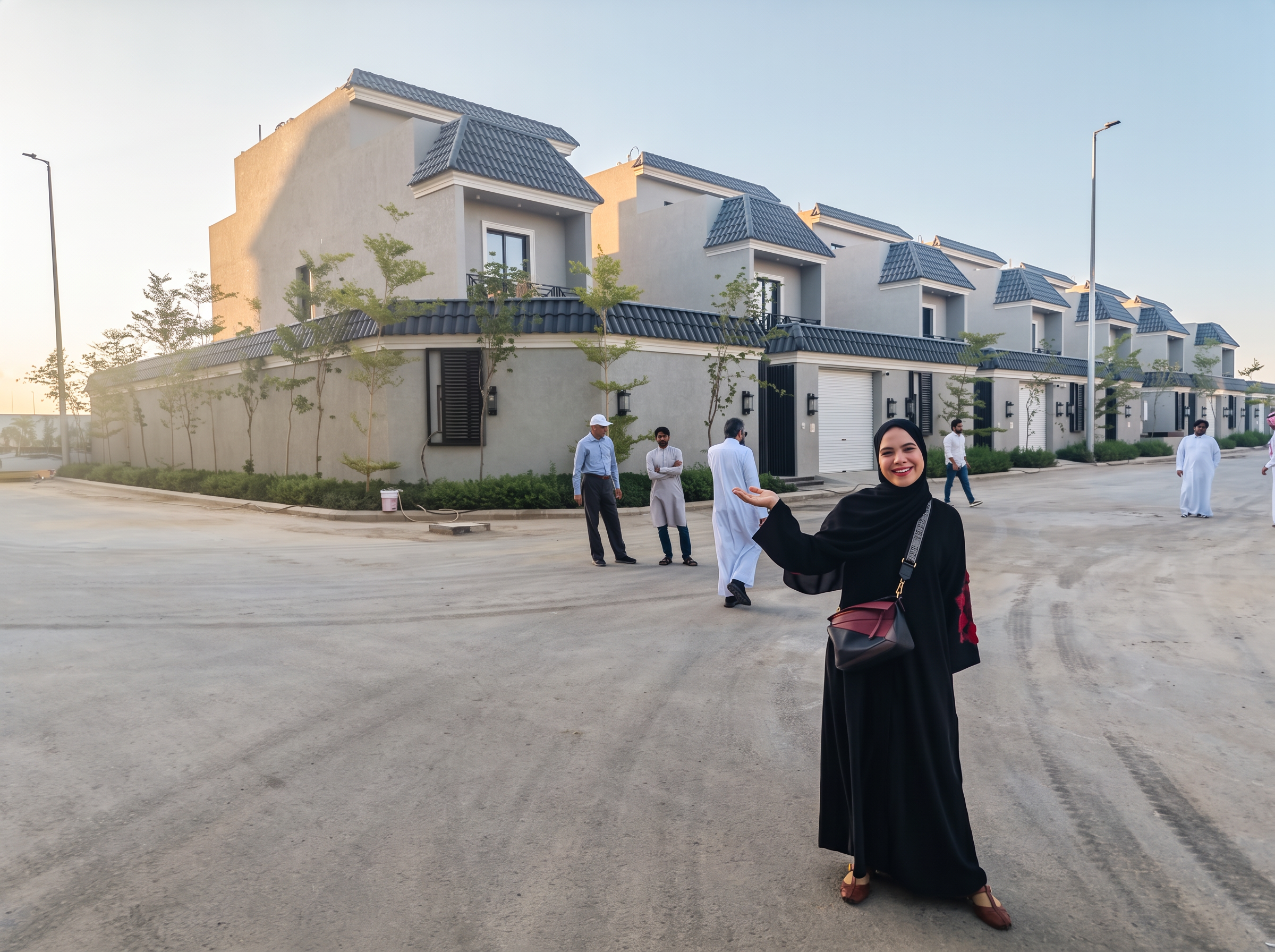
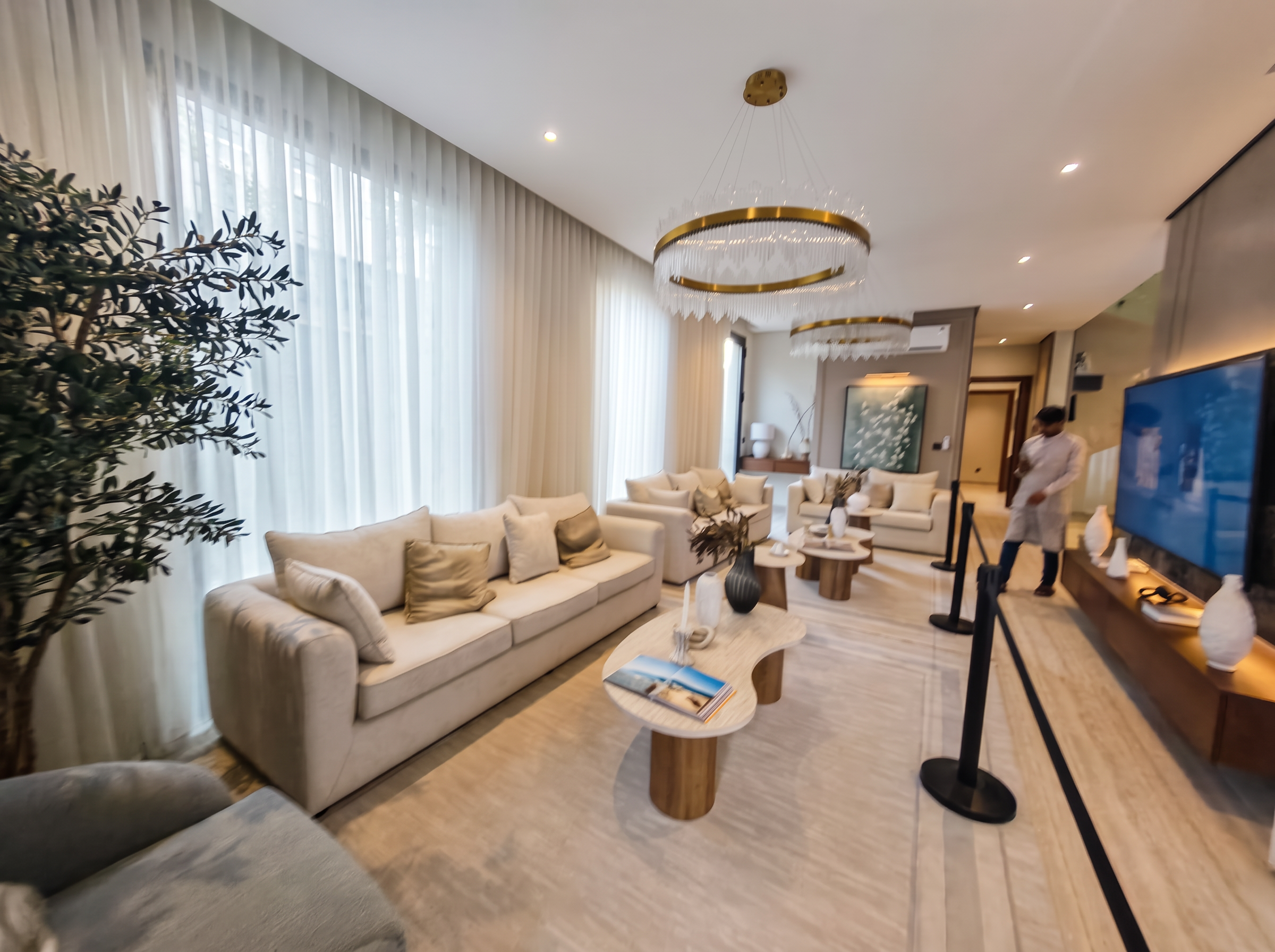
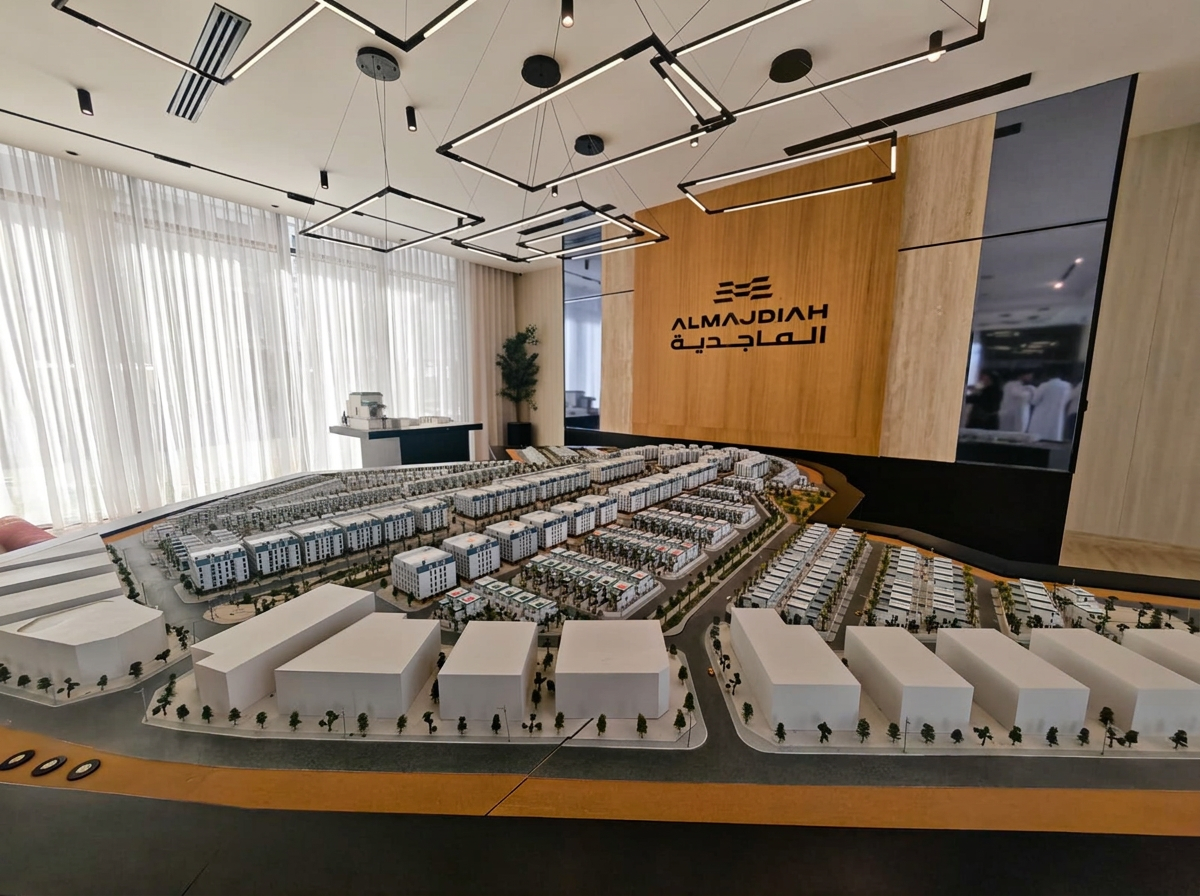
I visited Meshraf Al Majdiah in person — the finished townhouse streets, the apartment blocks, the sales office and the master model in the gallery. This note sets aside the emotion of being in Madinah and asks the question I would ask of any asset in Singapore, Dubai or New York: does the investment case hold up on evidence?
1. The demand thesis
Madinah's housing market is shaped by one structural driver: visitors. Saudi Arabia's Vision 2030 targets 30 million Umrah pilgrims a year, and almost every one of them travels to Madinah as well as Makkah. Hotel supply around the Haram is finite, expensive and concentrated in the central district. That creates sustained pressure on accommodation in the next ring out — exactly where new master-planned communities are being built.
The second driver is residents. Madinah's population is growing, and government investment in transport, healthcare and services is pulling households towards planned districts with modern infrastructure, rather than older, ad-hoc neighbourhoods. Demand here does not depend on pilgrims alone, which matters for an investor looking for year-round occupancy.
2. Location: measuring the distance that matters
Proximity to Masjid an-Nabawi is the single biggest determinant of value in this city. Meshraf Al Majdiah sits outside the central zone, so it will never compete with Haram-facing hotels on price per night. The right comparison is with other residential districts: travel time to the Haram by car or shuttle, access to the ring roads, and the link to the Haramain high-speed railway, which connects Madinah to Makkah and Jeddah.
My own test on site was simple — how long does it realistically take to get to Fajr in the Masjid? A short drive with predictable parking turns a suburban address into a practical base. A long, congested one turns it into a compromise. Buyers should time that journey themselves, ideally during peak season.
3. The master plan and the developer
The master model tells you more than any brochure. What I look for: the ratio of completed to planned phases, internal road widths, green space, parking per unit, the location of retail and the mosque within the community, and how the villas and apartment blocks are separated. A visible completed phase — which I walked through — reduces delivery risk materially compared with buying purely off-plan.
Developer due diligence is non-negotiable: delivery track record on previous projects, whether off-plan sales are registered under the Saudi off-plan licensing programme (Wafi), how buyer payments are held in escrow, and what the handover and defects process looks like in writing.
4. Unit typologies and who they serve
The community offers two very different products. Townhouse-style villas suit families: more land, private parking, multi-generational layouts and long-term owner-occupation. They carry a higher ticket size and lower liquidity, but they are scarce, and scarcity tends to protect value.
The four-to-five storey apartment blocks are the investor's product: lower entry price, easier to let, easier to resell, and simpler to manage remotely. Two- and three-bedroom units match what visiting families actually book, which is the segment I would underwrite first.
5. Modelling the return
I separate the return into three scenarios rather than one headline yield. First, a long-term residential lease to a local tenant: lower but steadier income, minimal management. Second, a seasonal or serviced-stay model aimed at visiting families: income concentrated around Ramadan, the Hajj season and school holidays, with higher gross revenue but higher vacancy, operating costs and management dependency. Third, owner use: a family home for regular visits, where the return is partly non-financial and should be modelled as such.
For any of these, the inputs I would insist on before committing are: price per square metre against comparable completed stock nearby, achievable monthly rent from actual listings rather than developer projections, service charges, management fees (typically far higher for short stays), furnishing costs and realistic occupancy outside peak months. If the deal only works on peak-season pricing, it does not work.
If the deal only works on peak-season pricing, it does not work.
6. Ownership rules: the gating question
Before any of the numbers matter, the legal question must be answered. Saudi Arabia has been opening real-estate ownership to non-Saudis, but Makkah and Madinah sit under special conditions: ownership by foreigners is restricted, generally limited to Muslims, to designated areas and to specific structures. Pathways can include Premium Residency, corporate structures or long-term usufruct and lease arrangements rather than outright freehold title.
These rules are evolving, and I am not giving legal advice. Any overseas buyer should get independent confirmation, from a Saudi-licensed lawyer, of exactly what they would own, for how long, and whether it can be sold or inherited.
7. Currency, capital and exit
The Saudi riyal is pegged to the US dollar at 3.75, so for a Singapore-based investor the currency exposure is effectively USD/SGD. The practical questions are elsewhere: opening a local account, moving rental income out, tax treatment in both countries, and — most importantly — the exit. Who buys this unit from me in ten years, and are they allowed to?
8. Risks I am weighing
Regulatory change, in either direction. Oversupply as more communities launch in the same corridor. Dependence on pilgrimage flows, which are exposed to policy and global events. Management quality when you live thousands of kilometres away. And liquidity: a narrower pool of eligible buyers can mean a slower sale.
My verdict so far
Meshraf Al Majdiah is a credible, well-planned product with a visible completed phase, which already puts it ahead of many off-plan stories. For an investor, the apartments offer the clearer financial case; the villas make most sense as a long-term family hold. The deciding factors are not the finishes — they are the ownership structure available to you, verified rents and the cost of managing from abroad.
In the next notes, I will look at the human side of owning a home in this city, and map the practical pathway for overseas buyers step by step.
Written by
Bella Khaja
Investor, entrepreneur and builder based in Singapore. Writing about property, business, projects and faith.
Related reading