Personal Essays | 20 Jun 2026
On Building Slowly
Why I have stopped apologising for taking my time.
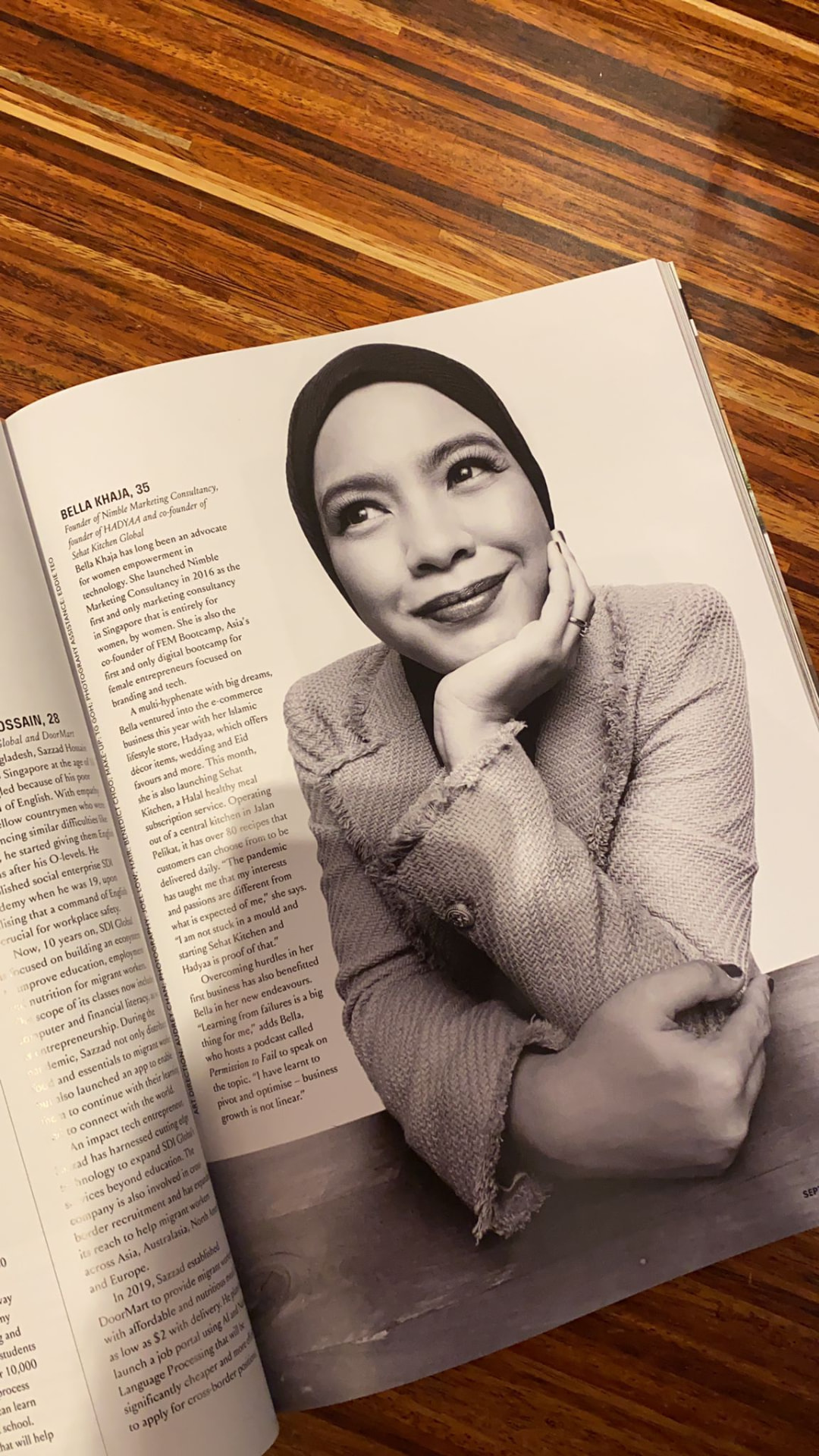
For years I measured progress by speed. These days I measure it by whether the thing I am building will still be standing — and still be good — in ten years. That does not mean I have stopped caring about momentum. It means momentum is no longer the only evidence I am willing to consider.
There is a particular pressure in building businesses: the feeling that every period should produce something visibly bigger. A new offer, another market, a larger team, a more impressive announcement. Some of those developments may be right. But visibility is an unreliable measure of whether the underlying work is becoming stronger.
The work that does not announce itself
A clearer process rarely looks dramatic from outside. Neither does a more realistic budget, a better handover or a difficult conversation finally handled honestly. Yet these can matter more to the health of a business than a launch that attracts attention for a day.
This is the kind of progress I want to take seriously: work that reduces confusion, makes promises more dependable and gives the next stage somewhere solid to stand. It does not always produce a photograph. It does produce a difference for the people doing the work and the people relying on it.
Slowness needs a definition
There is a danger in making slowness sound automatically virtuous. It can be a disguise for avoidance, indecision or an unwillingness to test an idea. A business cannot live indefinitely in preparation. At some point an offer must reach a customer, a decision must be made and the consequences must be understood.
The distinction, for me, is whether the time is being used. Deliberate pacing has a reason: checking a material assumption, building capacity, getting an agreement right or learning from a small test before committing more. Drift has no clear question and no point at which the answer will change what happens next.
Growth should fit what it asks of people
Expansion changes more than the revenue line. It changes the work expected of a team, the decisions carried by a founder and the demands placed on customers, suppliers and family life. When those costs are left out of the conversation, growth can appear more attractive than it really is.
I want to ask what a business can deliver reliably before asking how much more it can sell. If every new commitment depends on exceptional effort, the operation may be borrowing against people's energy without recognising the debt. A sustainable pace is not one at which nothing difficult happens. It is one that does not require difficulty to become the permanent arrangement.
Choose what deserves the next season
Having several interests does not mean each one needs immediate expansion. Property, business, technology and service can all be meaningful without demanding the same kind of attention at the same time. The harder decision is often not what to begin, but what to leave alone long enough for something else to mature.
A useful question is what would make the existing work better before adding more of it. Sometimes the answer is a system. Sometimes it is a person with the right responsibility. Sometimes it is removing an offer that creates more confusion than value. These choices can look modest while requiring considerable resolve.
Slowness is not passivity. It is choosing depth over noise — and accepting that depth still requires action.
Keep ambition, change the measure
I do not see patience as the opposite of ambition. It can be a way of taking ambition seriously enough to ask whether the structure can bear it. A long horizon changes the questions. Not only: can this grow? Also: can it be managed well, can its commitments be honoured, and is it still worth doing when the novelty has passed?
Faith gives that horizon another dimension. I am responsible for effort, intention and the way people are treated, not for forcing every outcome into the timetable I imagined. That is not a reason to stop planning. It is a reason to plan without allowing the plan to become the whole meaning of the work.
What I want to build is not simply more. I want work that remains useful, relationships that can withstand ordinary pressure and enough clarity to recognise when an opportunity is not mine to pursue. Some seasons will move quickly. Others will be quieter. I am learning to judge them by their substance rather than their volume.
Written by
Bella Khaja
Investor, entrepreneur and builder based in Singapore. Writing about property, business, projects and faith.